Cyberbullying starts earlier than parents realise: new Orange Belgium research highlights need for dialogue between parents and children
For the occasion of the International Day against Violence and Bullying at School, including Cyberbullying (5 November), Orange Belgium publishes new research into cyberbullying among Belgian youth and reaffirms its commitment through #ForGoodConnections, school seminars and Smartphone Pass.
For many Belgian families, cyberbullying is not a distant digital issue, but a daily reality that often starts at a young age. This is confirmed by new research commissioned by Orange Belgium and carried out by iVox among 500 parents and 250 children, for the occasion of the International Day against Violence and Bullying at School, including Cyberbullying, on 5 November. Seven in ten parents surveyed say their child experienced cyberbullying for the first time at age 12 or younger, a reminder of why Orange Belgium continues to invest in prevention through its #ForGoodConnections programme.
Parents and children sometimes live in two different digital worlds
Parents do not always have an accurate picture of their child's online world. In an Orange-commissioned survey by Ifop across eight European countries, including Belgium, barely a third of the Belgian parents (32%) say they are well informed about cyberbullying, which is below the European average of 39%. While 74% of Belgian parents do see cyberbullying as a risk for their child, only 56% say they often discuss it with them.
More specifically, 43% of parents say they regularly discuss what their child enjoys on social media, while 44% talk about what their child does online. Less than half (47%) of the Belgian parents is aware of their child’s digital interactions with others. The survey by iVox in Belgium adds that more than half of the parents (56%) also feel that certain forms of online bullying behaviour, like deliberate exclusion from group chats, have become normalised among children. These elements all make it even harder to start an already difficult conversation: one in four Belgian parents say they struggle to talk to their child about cyberbullying at all.
This is exactly the gap that Smartphone Pass was designed to close. The accessible, playful platform helps young people and their parents agree together on responsible smartphone use, covering cyberbullying, data protection, screen time and critical thinking about AI, giving families a shared starting point for conversations that might otherwise not happen.
Communication is not always lacking, however: 56% of parents say they hear about cyberbullying directly from their child. While 48% of parents suspect their child may be facing unseen online struggles, children themselves continue to rely primarily on their parents for help and guidance (79%), underlining why tools that make this dialogue easier matter so much.
When it goes wrong, the impact doesn't stay online
Online hurt does not stay online: 42% of children who experienced cyberbullying felt worried about returning to school afterwards, 35% faced further bullying there, and 75% kept thinking about the incident for the rest of the day, up to several weeks later. Children also describe forms of bullying that are increasingly hard for parents to spot: coded language, emojis, stickers, fake accounts, and group chats deliberately created to exclude someone or stir up arguments. Group chat exclusion stands out as the defining form, seen as one of the most hurtful (68%) and most common (47%) behaviours, while 22% of children believe making a fake photo or video of someone with AI is "just a joke".
When asking parents in the Europe-wide survey how they would respond to their child being cyberbullied, 65% consider informing the child’s school as the most appropriate reaction. Orange Belgium sees the importance of schools in the conversation about cyberbullying and therefore decides to bring its school seminars directly into the classroom, the place where children and young people meet every day. These sessions tackle cyberbullying, screen time and critical thinking face-to-face, at the age and moment it matters most.
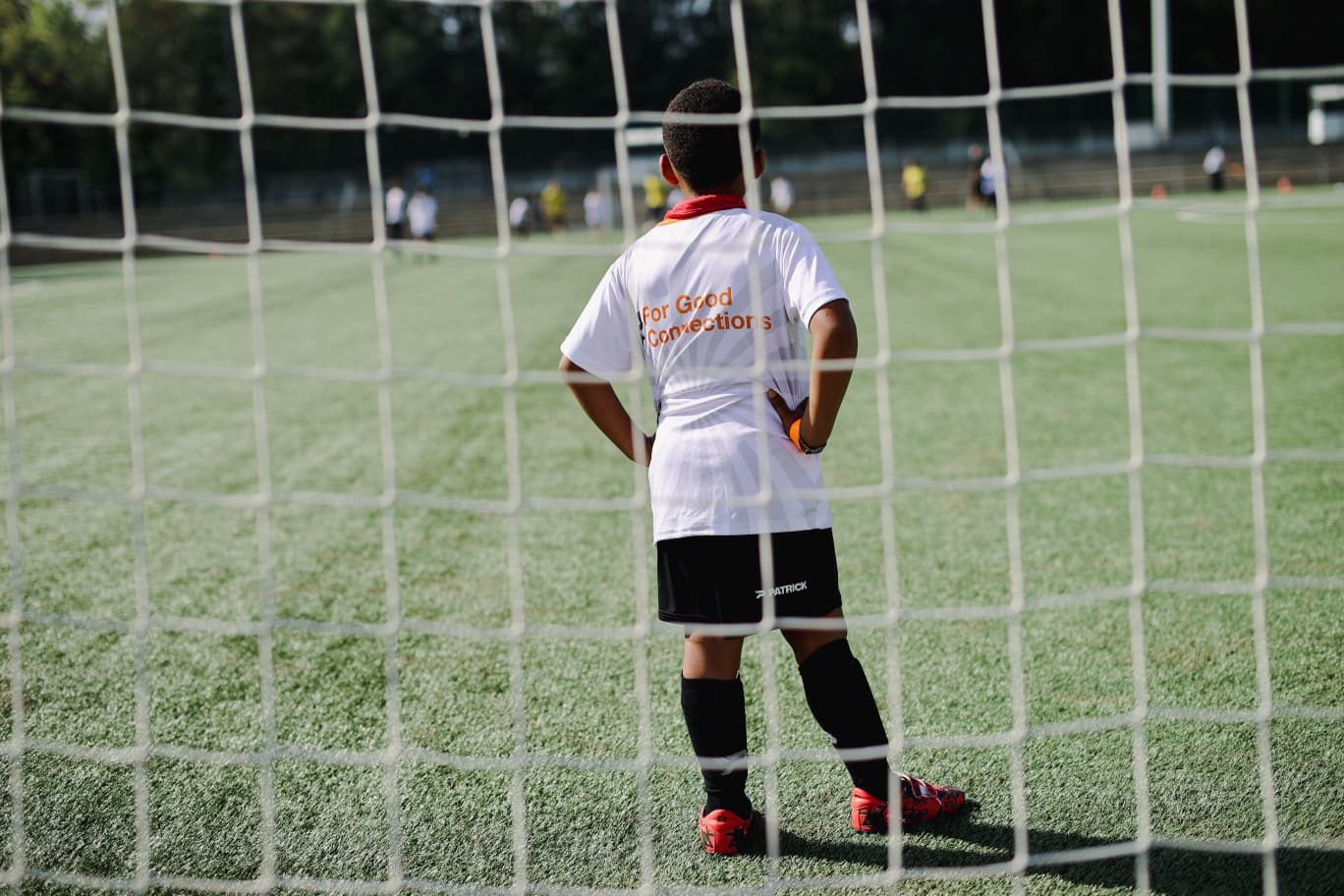
Yet support often stops at the school gate: 29% of children cannot name a single support organisation when things go wrong. That is one of the reasons Orange Belgium also organises #ForGoodConnections Day, bringing young people and parents physically together around cyberbullying, fake news and excessive screen time through sport, play and educational workshops, turning a complex subject into a shared family experience rather than a one-off lecture.
Nathalie Rahbani, Chief Brand, Communication & ESG Officer at Orange Belgium: “Connecting people is at the heart of what we do, but our responsibility does not end there: we want every young person to grow up using technology with confidence, respect and responsibility. That's exactly why we created #ForGoodConnections, not to shield children from the digital world, but to walk them through it, through education, awareness and open dialogue within their families This new research confirms what we suspected: cyberbullying keeps changing shape, and parents don't always see it. That is exactly why it is so important that parents, schools and children keep the conversation going.”
At a glance: Orange Belgium's #ForGoodConnections initiatives
- #ForGoodConnections Day, bringing young people and parents together through sport, play and workshops to tackle cyberbullying, fake news and excessive screen time as a shared family experience.
- School seminars, bringing the conversation about cyberbullying, screen time and critical thinking directly into the classroom.
- Smartphone Pass, an accessible, playful platform helping families agree on responsible smartphone use, from cyberbullying to AI awareness.
By combining research, dialogue and practical tools, Orange Belgium aims to live up to its role as a responsible telecom operator: not only connecting people, but also giving them the knowledge and skills to experience those connections safely, respectfully and with confidence.
Media inquiries